Calandra's Attendance Policy Misses the Point of Education
Calandra's attendance-based grading penalizes students for extracurriculars, sports, music, arts, and outdoor time, that build real-world skills. The post argues the government should instead fund smaller classes, mental health supports, and special education, citing Ford's underfunding record and rising Ombudsman complaints as signs of eroding trust. It concludes the policy misunderstands education's true purpose.
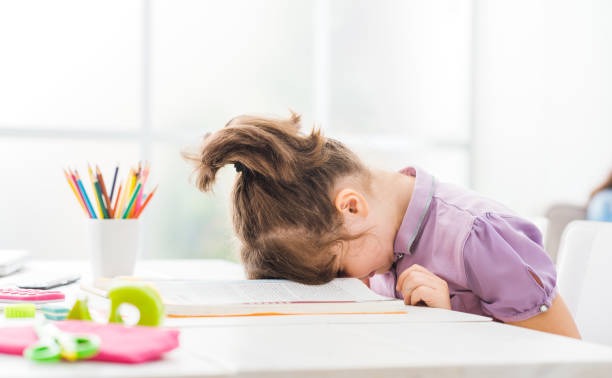

Picture a Grade 10 student in Orillia who spends her afternoons on a competitive swim team, or a Midland teenager who heads straight from class to jazz band rehearsal. Under Doug Ford and Education Minister Paul Calandra's newly announced attendance rules, those same kids could now see their grades take a hit for the very activities that round them out as people. That's the wrong lesson to be teaching Ontario students.
Yes, showing up to class matters. But no parent should have to choose between their child's report card and the pursuits that build who they are.
Sports, music, the arts, and other extracurricular activities build confidence, discipline and leadership. They help children learn and prepare them for life. Students should not be penalized for pursuing those opportunities or risk having their grades lowered in ways that could affect their path to post-secondary education.
We'd also add that time outdoors deserves the same protection. Richard Louv's Last Child in the Woods introduced the term "nature deficit disorder" to describe what happens when kids lose regular, unstructured contact with the natural world — rising rates of anxiety, attention difficulties, and disconnection from their own communities and environment. Here in Simcoe North, our forests, trails, lakes and shorelines are part of what makes this region special, and part of what should make growing up here special too. A policy that pressures students to sit in a classroom rather than take part in an outdoor ed trip, a canoe outing, or simply unstructured time in nature isn't just short-sighted on wellbeing grounds — it works against everything we know about how kids actually learn and thrive.
If the Ford government truly wants students to succeed, it should focus on making schools places where children feel supported, safe, and excited to learn. That means investing in smaller class sizes, stronger mental health supports, and better special education services. It also means recognizing that a well-rounded education happens as much on a soccer pitch, in a music room, or on a nature trail as it does at a desk.
After eight years of Doug Ford underfunding public education, too many opportunities for students have already disappeared, from sports teams and music programs to clubs, field trips and the arts. This policy risks taking even more away from Ontario's students when they need those opportunities most.
The Ontario Ombudsman recently reported a record number of complaints about education following Paul Calandra's takeover of local school boards. Instead of rebuilding trust with parents and local communities, this heavy-handed policy will only create more frustration and more conflict.
Our responsibility should be simple: help every child succeed and reach their full potential — in the classroom, on the field, in the studio, and outdoors. These changes do the opposite.
Ontario students deserve better. The purpose of education is to raise healthy, curious, well-rounded young people, not to maximize seat time. Calandra's attendance measures miss that mark entirely, and Simcoe North Greens will keep pushing for an education system that measures success by how well it prepares kids for life, not just by how long they sit still for it.
simcoenorthgreens@gmail.com
705-345-1756