Earth Day 2026: Beyond Celebration — A Call to Responsibility
Earth Day 2026 is more than a moment of appreciation — a call to responsibility. As Canada faces major decisions about development and growth, this piece argues that ecological and environmental concerns and Indigenous rights must be treated as foundational, not secondary. Grounded in the realities of Simcoe North, it makes the case that protecting ecosystems, expanding connected natural spaces, and centring ecological leadership are essential to building a future where prosperity and environmental stewardship go hand in hand.
Earth Day is a time to reflect on the land, water, and ecosystems that sustain us — and here in Simcoe North, that reflection comes easily. From our shorelines to our forests and farmland, we are constantly reminded that what we protect today shapes what we pass on tomorrow.
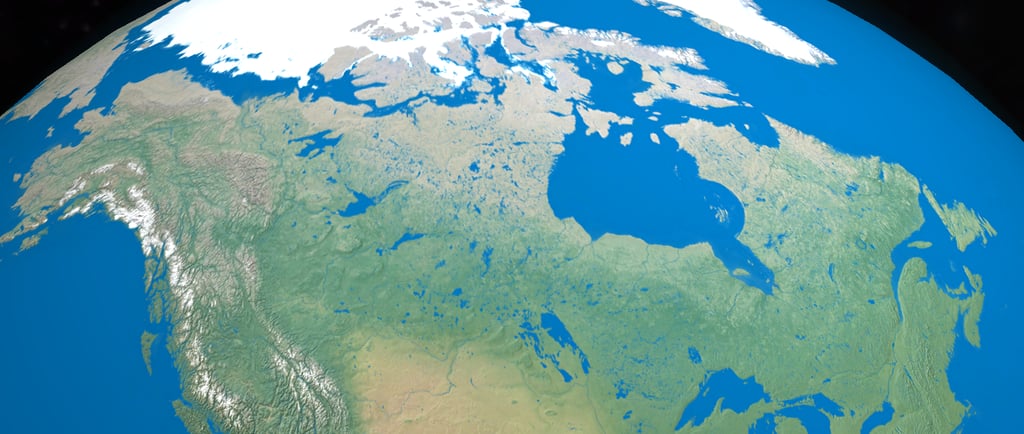
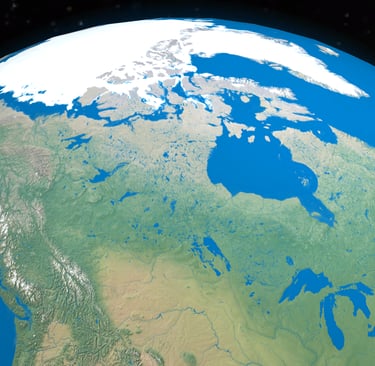
This year, Earth Day arrives at a moment of real national ambition. The federal government, under Mark Carney, has announced a sweeping new plan to defend and build Canada’s North — a bold vision for infrastructure, sovereignty, and long-term development in one of the most ecologically significant regions on Earth.
That kind of ambition matters. Canada needs to think big about its future.
But thinking big also means thinking responsibly.
The North is not an empty space waiting to be developed. It is a living, interconnected system of ecosystems and communities, shaped and stewarded by Indigenous peoples for generations. Any plan to build in the North — or anywhere in this country — must place ecological and environmental concerns, along with Indigenous rights and leadership, at its core.
Too often, these considerations are treated as constraints to work around rather than foundations to build upon. That approach risks repeating the same mistakes that have left ecosystems degraded and communities sidelined.
It doesn’t have to be that way.
A truly forward-looking Canada can align economic development with ecological responsibility and Indigenous stewardship. That means investing not just in infrastructure, but in the restoration of ecosystems that protect biodiversity and buffer communities from climate impacts. It means expanding and connecting protected areas so that nature — and the people who depend on it — can thrive. And it means ensuring that Indigenous leadership is central to decision-making, not merely consulted after the fact.
The goal of protecting 30% of Canada’s lands, freshwater, and oceans by 2030 remains within reach. But reaching it will require more than targets — it will require political will, partnership, and a willingness to measure success not just in dollars spent, but in ecosystems sustained.
As Greens, we recognize the importance of the federal government’s renewed focus on nation-building. We welcome the scale of the vision. At the same time, our role is clear: we will support this government when it makes decisions that are environmentally sound and grounded in respect for Indigenous rights, and we will hold it to account — publicly and consistently — when it falls short.
Earth Day is not just about appreciation. It is about responsibility. What Hannah Arendt called. Amor Mundi, a love of the world.
If we are serious about building the future, then we must be just as serious about protecting the ecological systems and relationships that make that future possible.
Because in the end, the strength of this country will not be measured only by what we build — but by what we choose to sustain.
simcoenorthgreens@gmail.com
705-345-1756